My Startups
Over 40 years, I’ve started and run five very different businesses — from local delivery to national logistics, and from family services to events and holidays. Some flew. One failed. All taught me something real.
My Startups
Over 40 years, I’ve started and run five very different businesses — from local delivery to national logistics, and from family services to events and holidays. Some flew. One failed. All taught me something real.
Abbott Eggs (1984–1985)
My first step into business — selling farm-fresh eggs from our family farm to shops, cafés and homes around Oxford.

Read More
Before business plans, spreadsheets or websites, there were eggs — fresh from our family farm and delivered by me around Oxford.
Abbott Eggs was where I learned the basics by doing everything myself. I bought wholesale from the farm, loaded up the van, and sold retail to homes, shops, cafés and restaurants. The business was simple — but the lessons were big: pricing, rejection, cash flow, customer service, and the value of showing up every week.
I’d left a salaried job on a Friday. By Monday, I was trudging the streets with crates of eggs and a hand-written price list. The first week was hard. The second was better. By the third, I could feel momentum.
Looking back, it was the perfect starting point. Low risk, totally hands-on, and mine to succeed or fail on. It gave me my real business education — and the confidence to start again.
SNAPSHOT
STRUCTURE – Sole trader
PROFITABLE – Yes
STRATEGY – Low risk, learn fast
CUSTOMER – B2B & B2C
REVENUE – £40k
TEAM – Just me 😊
LESSON – Nothing happens unless you make it happen
SKILLS – Sales, hustle, resilience
EXIT – Wound down to step up
FAMOUS CUSTOMER – Browns Restaurant, Oxford
Business model: Mixed B2B & B2C
Structure: Sole trader
USP / Proposition: Fresh, local, farm-to-fork eggs with personal delivery
Customers: Independent retailers, small cafés, and restaurants
Size: Approx. £40k turnover; just me and a van
Key lessons: Pricing by instinct, handling rejection, managing weekly cash flow
Outcome: Wound down when I moved on
Most famous customer: Browns Restaurant, Oxford
Nappy Despatch (1984–1990)
A direct-to-consumer delivery service for bulky baby products — built before e-commerce was even a thing.

Read More
I started Nappy Despatch with a simple idea: parents didn’t want to carry big packs of nappies home from the shops every week — so I delivered them instead.
It was pre-internet, so everything was phone-based. Customers rang in, I delivered next day. It was a logistical operation run from a spare room and a warehouse, but it worked — because the product was repeatable, the price was sharp, and the service was reliable.
I ran it as a partnership for most of its life and kept it lean. Over time, I built a loyal customer base across the Thames Valley. I learned a lot — particularly about negotiating own-label supply, running direct marketing campaigns, and managing people for the first time.
Eventually I sold the business for a six-figure sum. Years later, I found out one of my regulars had been Catherine, Princess of Wales.
SNAPSHOT
STRUCTURE – Partnership / Sole trader
PROFITABLE – Yes
STRATEGY – Repeat product + convenience = loyalty
CUSTOMER – B2C
REVENUE – £1.5m
TEAM – 10 employees
LESSON – Manage stock and service as if everything depends on it — because it does
SKILLS – Direct marketing, logistics, team leadership
EXIT – Six-figure sale
FAMOUS CUSTOMER – Catherine, Princess of Wales
A direct-to-consumer business delivering bulky nappy packs to families across the Thames Valley.
Business model: B2C via telephone ordering (on-demand)
Structure: Partnership
USP / Proposition: Heavy, bulky products delivered to the door at very competitive prices
Customers: Busy mums in the Thames Valley
Size: Approx. £400k turnover; 10 employees
Key lessons: Negotiating own-label supply, direct marketing, managing people
Outcome: Six-figure exit
Most famous customer: Catherine, Princess of Wales
Complete Events (1989–2007)
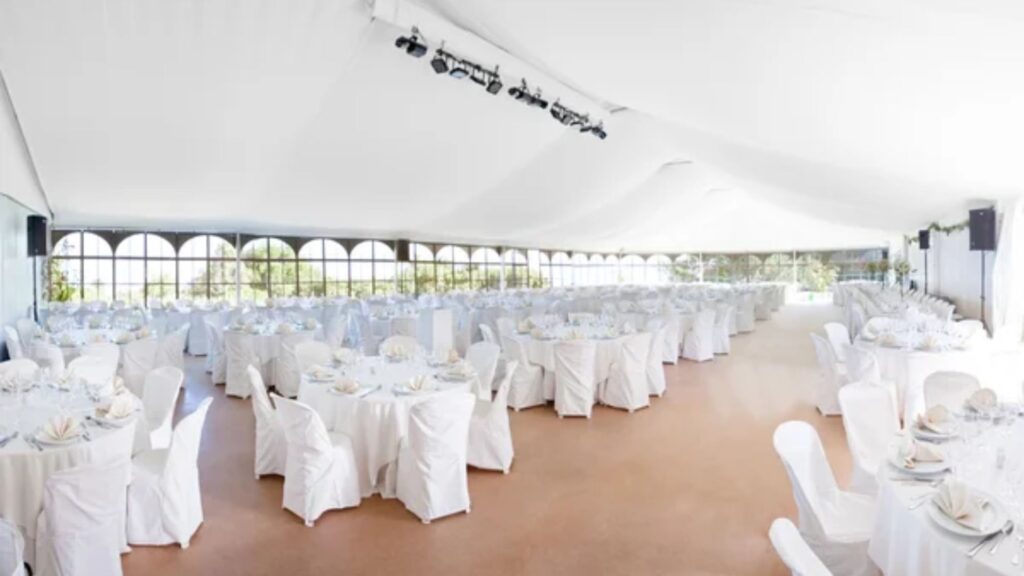
A full-service marquee events company offering structures, furnishings and everything in between.
Read More
I co-founded Complete Events Marquee Hire with the same partner who had helped shape the Nappy Despatch model. By that point, we had a strong combination — he brought corporate expertise; I brought small business execution. We were aligned in our goal: build a business that maximised return on effort.
After researching the market, we identified marquee hire in the outdoor events sector as a scalable opportunity. The business grew quickly. We embraced digital marketing early, hiring SEO specialists to accelerate growth in both the private and corporate sectors.
We were soon delivering high-profile events — including providing marquees for Her Majesty the Queen at the opening of the Thames Water Ring Main, and for Prime Minister John Major at the launch of the National Lottery at the Tower of London — both in the same weekend in November 1994. Our client list expanded to include high-profile names like Elton John and Jeremy Clarkson.
Our business model offered more than marquee hire: a one-stop shop for outdoor events.
However, the business had two structural flaws. It was seasonal, making it costly to retain skilled staff year-round. And post-millennium, demand for large marquee parties declined. By the early 2000s, we were looking for a business that better fit our growing families and had stronger long-term potential. We identified our next venture — one that required all our attention and financial resources.
After trying to sell the business, we made the difficult decision to let Complete Events go into administration, allowing us to focus fully on the next chapter.
SNAPSHOT
STRUCTURE – Limited Company
PROFITABLE – Yes
STRATEGY – One-stop shop for high-end outdoor events
CUSTOMER – B2B & B2C, HNW clients
REVENUE – £3m
TEAM – Back office 4, sales 3, site crew 15
LESSON – Sustainable business needs to fit in with family life
SKILLS – High-pressure, exacting logistics
EXIT – Administration to allow progression in next venture
FAMOUS CUSTOMER – Elton John
A marquee and event hire company offering everything from structures to furnishings — built to be a one-stop shop for private and corporate events.
Business model: B2B & B2C
Structure: Ltd Company
USP / Proposition: One-stop event shopping for marquee-based events
Customers: Anyone planning a party or marquee event — from private clients to corporate brands
Size: Approx. £3m turnover; 20 employees
Key lessons: Operational complexity, seasonal cash flow, managing fixed costs and staffing
Outcome: Entered administration
Most famous customer: Elton John
Aganto Ltd (2004–2017)
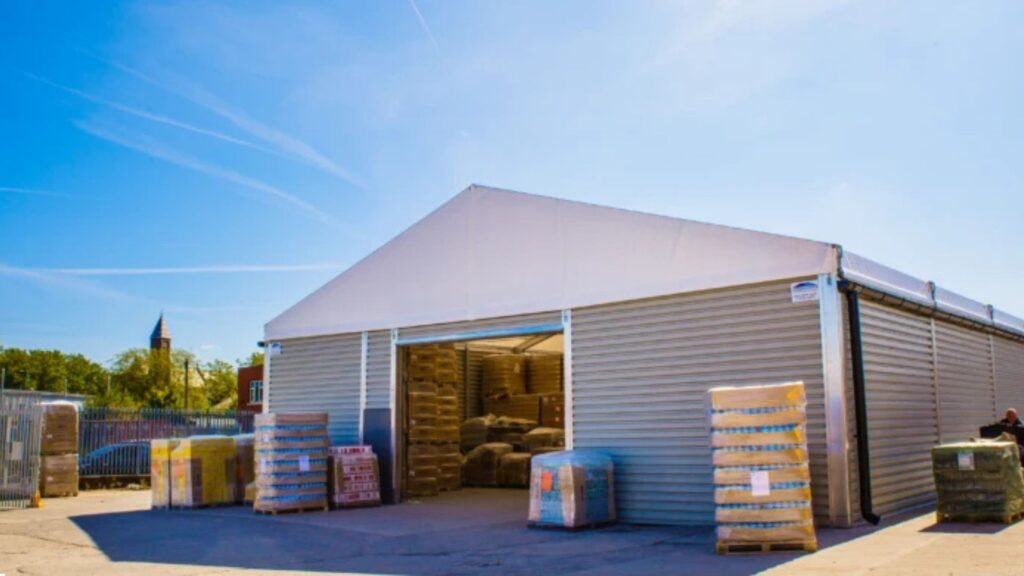
A national temporary warehouse business helping companies scale space fast — without permanent buildings.
Read More
From day one, I knew Aganto was a winner. It had all the characteristics of a business I believed in: simple model, strong demand, recurring revenue, and scalable economics. The concept was straightforward — buy robust modular buildings and rent them to growing businesses at highly competitive rates.
Beyond the usual challenges of scaling a business — sales, marketing, finance, logistics, legal, contracts, accounts, and employee management — Aganto demanded two key things: patience and capital. For the first five years, we reinvested heavily. I even pledged personal assets to secure funding and fuel our growth.
We also sourced our own bespoke building designs from Poland, developing relationships with international suppliers and building a resilient supply chain that helped us stay ahead of UK competitors.
It paid off. Over the next decade, we built a market-leading operation. In the final five years, competitors began approaching us, and eventually, we achieved a successful eight-figure exit through acquisition.
SNAPSHOT
STRUCTURE – Limited Company
PROFITABLE – Yes
STRATEGY – Simple model, strong demand, scalable returns
CUSTOMER – B2B, expanding SMEs and corporates
REVENUE – £6m
TEAM – Back office 7, sales & marketing 5, operations 20+
LESSON – Growth requires patience and capital
SKILLS – Leadership, vision, strategic thinking, international sourcing
EXIT – Life changing sale to GL Events (Euronext: GLTN)
FAMOUS CUSTOMER – British Airways
A modular building hire company providing onsite temporary warehousing for businesses needing space quickly — without the delays of traditional construction.
Business model: B2B
Structure: Ltd Company
USP / Proposition: Super-flexible, rent-or-buy onsite temporary warehousing
Customers: Growing businesses needing space fast — especially in logistics, manufacturing, and retail
Size: Approx. £5m turnover; 30 employees
Key lessons: Strategic scaling, sourcing technical products internationally, senior hiring, B2B sales, tough exit negotiations
Outcome: Built into an eight-figure business; exited via trade sale to a French-listed company
Most famous customer: British Airways
Sun Beach House (2019–Present)
A luxury coastal holiday rental, designed for weekenders and celebrations — just 90 minutes from London.
Read More
After a long career building businesses, I wanted something different — a venture that combined lifestyle with strong commercial fundamentals. That idea became Sun Beach House.
It’s a luxury holiday rental with direct sea access, located just 90 minutes from central London. From the beginning, it was designed for celebration weekenders — families and friends marking birthdays, anniversaries, or just escaping the city.
The model is simple but premium: high-quality accommodation, excellent service, and a unique location right on the coast. We don’t have employees, but I’ve built a trusted local support network that helps us deliver a consistently excellent guest experience.
What I’ve learned here is how to meet — and exceed — high expectations. The guests are demanding, rightly so. It’s a competitive market, but one where reputation and attention to detail really matter. The property continues to generate income and be a joy to run.
SNAPSHOT
STRUCTURE – Partnership
PROFITABLE – Yes
STRATEGY – Target high-value short breaks and celebration weekends
CUSTOMER – B2C
REVENUE – £150k
TEAM – No employees; trusted local support network
LESSON – Quality service, strong positioning, and attention to detail drive premium bookings
SKILLS – Hospitality, customer experience, brand consistency
EXIT – Still trading successfully
FAMOUS CUSTOMER – Amanda Holden
A luxury holiday rental with direct sea access, positioned within 90 minutes of central London — designed for celebration weekenders and short breaks.
Business model: B2C
Structure: Partnership
USP / Proposition: Luxury seafront rental uniquely close to London, with direct beach access for premium escapes
Customers: Groups celebrating birthdays, anniversaries, or just escaping the city
Size: Approx. £150k turnover; no employees
What you can expect
- Straight answers, not sales talk
- Strategic thinking grounded in real experience
- A collaborative, honest working style
- Practical help that actually moves the needle
If you’re
- Starting something new and not sure where to begin
- Growing, but unsure what to focus on next
- Thinking about selling, but want to do it right